When Grace first performed the song at the Grammy Museum in November 2024, she explained the background for the song.
"This is probably the most important song I have ever written. I really wanted to delve into … not taking the responsibility as a woman to be empowered. Being a child star … there were all these things that there was so much pressure to have a meaning for, like – ‘it all happened for a reason, and it made me stronger.’ But I don’t think that I don’t think there was a reason. I was writing poetry about it for months and months, and I was really inspired by the imagery of Eve. This is not a religious commentary, by the way; it was purely artistic and symbolic. But I thought of Eve and how she was the unleashing of sin, … and I was like – it’s always been her fault, always. It finally trickled down into this image of a little girl praying in her bed and having this really intimate conversation with God. …, a truly curious conversation from a little girl: I don’t want to be dirty. I don’t want to be lustful and sinful – I don’t want to be a woman. Can I not? And I actually heard this song in a dream, then."
“It's about me being widely sexualized and objectified at a young age. It's important to talk about all of the different layers. You wonder, 'What if I dream of being a sexy woman? What if it's that is something I want? Am I still just a girl at the end of the day? Am I subjecting myself?' It's a love-hate relationship and a commentary on the patriarchy.” (from the description of the music video)
"Brand New is not about freedom for me. If anything, it’s about longing for structure. When you’re raised inside a box and then suddenly handed the entire world, part of you just wants to crawl back into the box." (
Interview with Vestal Magazine, May 2025
In an Interview with Zach Sang in April 2025, Grace provided some background for the song:
"It’s an Exploration of a topic where there is no right or wrong. I knew that I wanted to go into my relationship with womanhood and sexuality and how that got so fucked up, being a child star. And I knew that that was an incredibly fragile and personal topic that I was not taking lightly, and I really – honestly, It was healing even for me to do justice to myself. I heard it in a dream at first, and then I woke up and recorded it. The words were super gruesome; I’ll [miming “cut my throat”] let blood drip off my fingers, draining myself of everything that knows you, and then maybe I’ll be brand new. I then brainstormed this song for weeks, writing poetry. And I thought of Eve – this is not a religious commentary; I took it strictly as a storytelling symbol. And I thought about what she was wearing, and she was the first to sin – SHE - it was always HER fault. And then we started writing it, and it turned into like a prayer, almost from a childlike perspective with the simplicity of a child, asking God if she can stay in girlhood - you know me, I’m good. I don’t want to be lustful or sinful, or dirty or a woman, I just want to be me. I don’t want this transformation. Because there is the robbery of identity, this separation, like – ‘now you represent these things'” You are no longer a human; you are a walking symbol. And it’s scary to approach this imminent death of who you are.
I wish a lot of things didn’t happen to me, and it didn’t need to happen, like sexualization and harassment online, and torture. I felt a shift into young womanhood where I am sort of a free-for-all dumping ground of just hatred. That’s why I, in "Brand New" say, “I am not the mother of your loss and not the sister of your lust” Because I felt like I was just this symbolic thing for people to throw their mother wounds I am just this shapeshifting symbol that you hate, of your middle school first crush, and the mother that told you, you were nothing. I reject this dehumanisation of women."
In
a podcast in early 2026, with her cowriter Eran Cannata and former co-writer Justin Trantor, Grace explained
'"Emotionally, Brand New was always closest to me. [Q:why?] That was something we discussed a lot before writing the song. I always reiterated to you how important the nuances of that topic was to me. Which is the experience of early sexualization as a girl, and I wanted to talk about that almost objectively but also emotionally close, where it doesn’t have to teeter between either black and white, of overcoming this and becoming triumphant or having it too shriveled down and small, because 'these things make me feel strong and empowered, but I am questioning why do I have to do that to feel sexual or woman or any of these things. There are so many nuances, and I really wanted to nail that confusing experience. And there was a moment when we were writing the second verse, it was just a full-blown poem in my notes app, and then was started singing out stanzas, it still have it on my voice notes, and we all go like WAUV THATS IT, I got goosebumps and fell to me knees, it was like godly experience. Literally not one word changed, it perfectly worked, even like rhyming, for the second verse. It was a very beautiful moment.'"
In their review of the album,
CelebMix wrote this about "Brand New": Brand New is the album’s focus track—a whispered manifesto on self-objectification, desire, and the aching blur between performance and possession. Built on haunting minimalism, the song is gorgeously restrained yet emotionally overflowing, with Grace’s voice barely rising above a breath. It’s delicate, devastating, and courageous in its complexity.
“It’s a love-hate relationship and a commentary on the patriarchy,” she confesses, speaking to the experience of being sexualized before fully understanding what that even meant. “Brand New” is arguably her most vulnerable track yet—and perhaps her most unflinching.
“It’s important to talk about all of the different layers,” Grace says.
“You wonder, ‘What if I dream of being a sexy woman? What if that’s something I want? Am I still just a girl at the end of the day?” These aren’t just rhetorical musings—they’re a confrontation of the tangled expectations placed on young women navigating visibility. And in that tension, the track becomes a quiet rebellion—one that refuses easy answers.

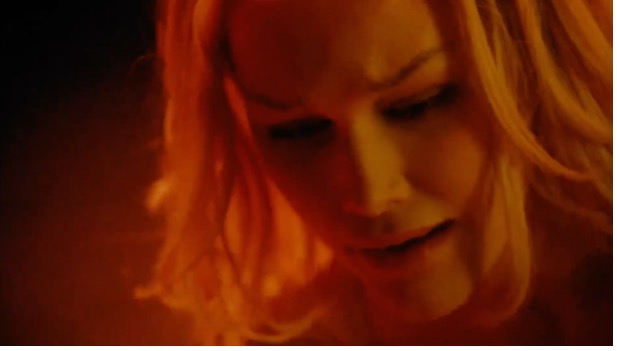 Source: Grace Vanderwaal